Salary & Take-Home Guides India
Understand your Cost to Company (CTC) package and estimate your monthly take-home salary. Compare tax regimes, PF deductions, and professional tax.
Select Your Annual Salary Package
5 LPA In-Hand Salary
Get a detailed monthly breakdown of a 5 LPA salary in India. Compare New vs Old Tax Regimes, calculate EPF, Professional Tax, and in-hand take-home pay.
6 LPA In-Hand Salary
Get a detailed monthly breakdown of a 6 LPA salary in India. Compare New vs Old Tax Regimes, calculate EPF, Professional Tax, and in-hand take-home pay.
7 LPA In-Hand Salary
Get a detailed monthly breakdown of a 7 LPA salary in India. Compare New vs Old Tax Regimes, calculate EPF, Professional Tax, and in-hand take-home pay.
8 LPA In-Hand Salary
Get a detailed monthly breakdown of a 8 LPA salary in India. Compare New vs Old Tax Regimes, calculate EPF, Professional Tax, and in-hand take-home pay.
10 LPA In-Hand Salary
Get a detailed monthly breakdown of a 10 LPA salary in India. Compare New vs Old Tax Regimes, calculate EPF, Professional Tax, and in-hand take-home pay.
12 LPA In-Hand Salary
Get a detailed monthly breakdown of a 12 LPA salary in India. Compare New vs Old Tax Regimes, calculate EPF, Professional Tax, and in-hand take-home pay.
15 LPA In-Hand Salary
Get a detailed monthly breakdown of a 15 LPA salary in India. Compare New vs Old Tax Regimes, calculate EPF, Professional Tax, and in-hand take-home pay.
18 LPA In-Hand Salary
Get a detailed monthly breakdown of a 18 LPA salary in India. Compare New vs Old Tax Regimes, calculate EPF, Professional Tax, and in-hand take-home pay.
20 LPA In-Hand Salary
Get a detailed monthly breakdown of a 20 LPA salary in India. Compare New vs Old Tax Regimes, calculate EPF, Professional Tax, and in-hand take-home pay.
25 LPA In-Hand Salary
Get a detailed monthly breakdown of a 25 LPA salary in India. Compare New vs Old Tax Regimes, calculate EPF, Professional Tax, and in-hand take-home pay.
30 LPA In-Hand Salary
Get a detailed monthly breakdown of a 30 LPA salary in India. Compare New vs Old Tax Regimes, calculate EPF, Professional Tax, and in-hand take-home pay.
35 LPA In-Hand Salary
Get a detailed monthly breakdown of a 35 LPA salary in India. Compare New vs Old Tax Regimes, calculate EPF, Professional Tax, and in-hand take-home pay.
40 LPA In-Hand Salary
Get a detailed monthly breakdown of a 40 LPA salary in India. Compare New vs Old Tax Regimes, calculate EPF, Professional Tax, and in-hand take-home pay.
45 LPA In-Hand Salary
Get a detailed monthly breakdown of a 45 LPA salary in India. Compare New vs Old Tax Regimes, calculate EPF, Professional Tax, and in-hand take-home pay.
50 LPA In-Hand Salary
Get a detailed monthly breakdown of a 50 LPA salary in India. Compare New vs Old Tax Regimes, calculate EPF, Professional Tax, and in-hand take-home pay.
About Salary Silos
A Cost to Company (CTC) package in India does not equal the monthly cash paid out by your employer. Retirement benefits like PF and statutory taxes like Professional Tax and Income Tax are deducted first.
Our detailed guide pages run the math for you under the New and Old Tax Regimes, so you can negotiate your next job offer with confidence.
Related Calculator
Salary Calculator →Understanding how annual compensation translates into monthly take-home cash is essential for financial planning and salary negotiation in India. The Cost to Company (CTC) offered by employers is often inflated with retirement contributions, variable pay, and non-cash benefits. This index page lists our detailed salary guides, helping you understand the exact deductions, taxes, and in-hand credits for major packages.
Our guides cover packages from Rs 5 LPA up to Rs 50 LPA, comparing net pay under the New and Old Tax Regimes, calculating EPF contributions, and estimating Professional Tax deductions. Select your salary bracket below to view the detailed monthly breakdown.
Explore Salary In-Hand Guides
5 LPA In-Hand Salary
Monthly breakdown, tax regime comparison, and PF deductions for a 5 LPA package.
6 LPA In-Hand Salary
Monthly breakdown, tax regime comparison, and PF deductions for a 6 LPA package.
7 LPA In-Hand Salary
Monthly breakdown, tax regime comparison, and PF deductions for a 7 LPA package.
8 LPA In-Hand Salary
Monthly breakdown, tax regime comparison, and PF deductions for a 8 LPA package.
10 LPA In-Hand Salary
Monthly breakdown, tax regime comparison, and PF deductions for a 10 LPA package.
12 LPA In-Hand Salary
Monthly breakdown, tax regime comparison, and PF deductions for a 12 LPA package.
15 LPA In-Hand Salary
Monthly breakdown, tax regime comparison, and PF deductions for a 15 LPA package.
18 LPA In-Hand Salary
Monthly breakdown, tax regime comparison, and PF deductions for a 18 LPA package.
20 LPA In-Hand Salary
Monthly breakdown, tax regime comparison, and PF deductions for a 20 LPA package.
25 LPA In-Hand Salary
Monthly breakdown, tax regime comparison, and PF deductions for a 25 LPA package.
30 LPA In-Hand Salary
Monthly breakdown, tax regime comparison, and PF deductions for a 30 LPA package.
35 LPA In-Hand Salary
Monthly breakdown, tax regime comparison, and PF deductions for a 35 LPA package.
40 LPA In-Hand Salary
Monthly breakdown, tax regime comparison, and PF deductions for a 40 LPA package.
45 LPA In-Hand Salary
Monthly breakdown, tax regime comparison, and PF deductions for a 45 LPA package.
50 LPA In-Hand Salary
Monthly breakdown, tax regime comparison, and PF deductions for a 50 LPA package.
Understanding the Indian Salary Slip
A standard salary slip in India contains multiple earnings and deductions components. Understanding these parts allows you to plan your taxes and save money legally. The primary earnings are Basic Salary (usually set at 50% of the CTC), House Rent Allowance (HRA), Special Allowance, and LTA. The deductions are divided into statutory savings and income tax.
Employee Provident Fund (EPF) is a mandatory saving where 12% of your basic pay is deducted every month. This amount is deposited in your EPFO account and earns high compound interest. Professional Tax is a state-level tax capped at Rs 2,500 per year, deducted as Rs 200 monthly by most state governments. Income Tax is deducted as TDS by your employer based on your annual taxable income projection.
Tax Regime Comparison: New vs Old
Selecting the right tax regime is critical to maximize your monthly cash credit. The New Tax Regime features lower slab rates and is the default option, but it removes deductions. The Old Tax Regime features higher slab rates but allows deductions like HRA, Section 80C, Section 80D, and home loan interest. If your total investments and exemptions exceed Rs 2.5 Lakhs to 3 Lakhs, the Old Regime may save you more tax. Otherwise, the New Regime is more liquid and simpler.
Importance of Salary Structure Optimization
An optimized salary structure is critical for both the employee and the employer. For employees, it maximizes the in-hand component while ensuring statutory compliance and long-term retirement security. For employers, it ensures competitive compensation packages that attract top talent without incurring unnecessary tax liabilities. Key elements like Special Allowance, House Rent Allowance (HRA), Leave Travel Allowance (LTA), and transport benefits can be balanced to fit the employee's tax bracket. Regular salary structuring reviews are highly recommended for working professionals to adapt to tax changes introduced in annual union budgets.
Comparing Deductions and Allowances under the Old Regime
Maximizing deductions under the Old Tax Regime is key to reducing your tax liability. The most popular deduction is Section 80C, which offers up to Rs 1.5 Lakhs in deductions for investments in Public Provident Fund (PPF), Employee Provident Fund (EPF), Equity Linked Savings Schemes (ELSS), National Savings Certificates (NSC), and principal repayment of home loans. Section 80D allows up to Rs 25,000 for health insurance premiums for yourself, spouse, and children, and an additional Rs 25,000 (or Rs 50,000 for senior citizens) for insurance premiums paid for parents. Section 24b allows up to Rs 2 Lakhs in deductions for interest paid on home loans for self-occupied properties. HRA exemptions can be claimed under Section 10(13A) based on your rent paid, basic salary, and metro/non-metro residency. Leveraging these deductions strategically can result in substantial savings compared to the New Tax Regime.
The Future of Employee Provident Fund (EPF)
The Employee Provident Fund remains a highly valued investment vehicle in India due to its tax-free compounding interest rates set by the government. Over long-term career spans, even a monthly deduction of Rs 1,800 to Rs 15,000 compiles into a massive retirement nest egg. The compound interest ensures that senior professionals accumulate substantial wealth upon retirement or job transitions. Knowing how your EPF contribution scales with CTC helps in long-term wealth projection and retirement planning.
Advanced Wealth Management for Senior Executives
For professionals earning above Rs 30 LPA, wealth management goes beyond basic tax saving. High-net-worth individuals must navigate complex surcharges (ranging from 10% to 37% on taxable income) and optimize corporate structures. Structuring salary slips to include company-leased cars, executive allowances, and direct NPS employer contributions under Section 80CCD(2) is highly effective. Directing surplus cash into diversified portfolios of mutual funds, direct stocks, and tax-free bonds ensures high capital growth. Regular review of portfolio asset allocations under a financial advisor is highly recommended at this level.
Preserving Capital and Managing Debt Cycles
At high income levels, debt management remains a vital pillar of wealth preservation. While home loans offer tax benefits on interest payments up to Rs 2 Lakhs, carrying high-interest debt blocks monthly cash flows. Balancing prepayments with active equity mutual fund investments is key. Reinvesting annual bonuses directly into debt prepayment cycles or high-yield bonds accelerates financial freedom. Focus on building liquid reserves that can support your lifestyle for 12 months during corporate transitions or market shifts, ensuring long-term security.
Negotiating Your Take-Home Salary
When negotiating a job offer, focus on maximizing your special allowance and HRA while minimizing non-cash elements like health insurance shares or gym memberships. Employers often bundle these company expenses into the annual CTC package, reducing your monthly cash flow. Knowing the exact calculations of PF and professional tax helps you advocate for a structure that supports your daily budget and tax-saving goals. Use our calculator to run multiple scenarios before your final HR discussions.
Reconciling Gross CTC with Monthly Take-home Credits
A common frustration for salaried employees in India is the difference between their CTC package and the actual monthly bank credits. Deductions like provident fund, professional tax, and income tax TDS can consume a significant portion of your salary. Understanding the exact calculations behind these deductions allows you to reconcile your salary slip components cleanly and plan your household expenses. Our detailed salary calculators and guides help you perform these scenario checks, ensuring you are always informed about your finances.
By verifying your salary slip against statutory regulations, you can ensure that your payroll team has structured your tax and retirement benefits correctly. For example, verifying your basic salary splits, EPF contributions, and state Professional Tax deductions helps prevent errors and ensures compliance. Regular audits of your corporate bank payments against tax portal records are recommended to maintain transparent financials.
Estimate Your Exact Take-Home Pay
Want to run custom calculations with your specific deductions, bonuses, or state laws? Use our free, privacy-first Salary In-Hand Calculator.
Go to Salary CalculatorRelated Articles
Insights and guides to help you make the most of our tools.
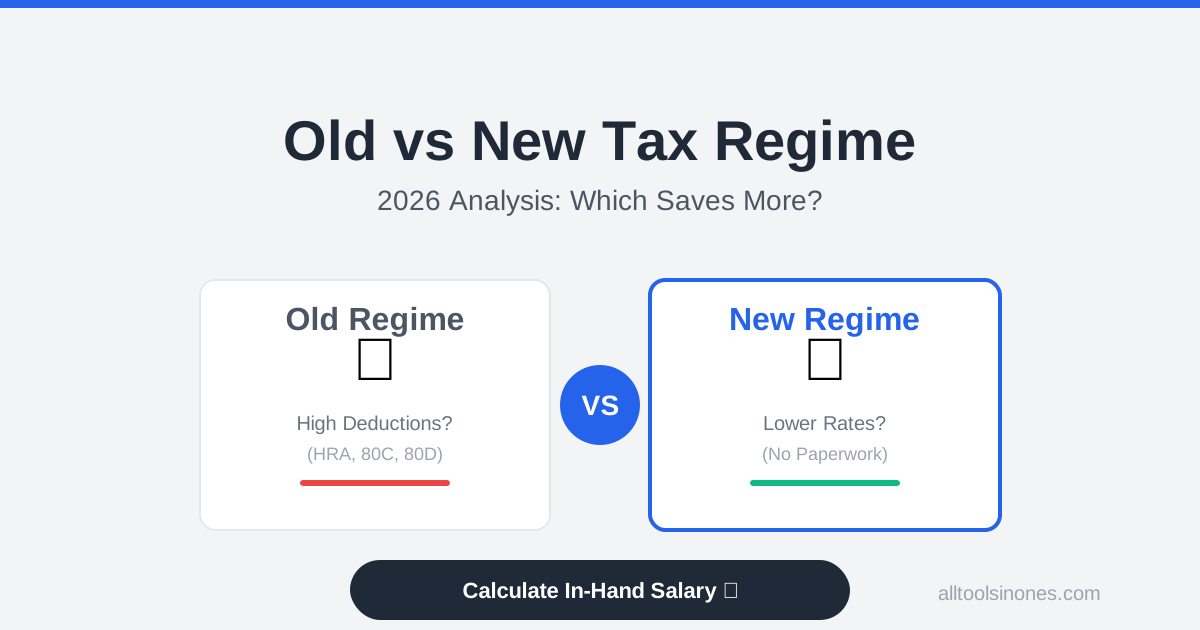
New vs. Old Tax Regime 2026-27: Which Saves More Money for Indian Freelancers?
Stop listening to generic tax advice. Discover why the Old Regime's 'forced investments' might be losing you money in 2026, and how Section 44ADA changes the game for freelancers.

YouTube Shorts vs. Long-form: Which Strategy Pays Better in 2026?
1M Short views = ₹5,000. 50k Long views = ₹30,000. Discover the brutal truth about YouTube RPM in 2026 and why the 'Hybrid Model' is the only sustainable path for Indian creators.

How to Monetize Instagram Reels in India: A 2026 Blueprint for New Creators
I have 10k followers but 0 rupees. Sound familiar? Stop chasing viral vanity metrics. Here is the 2026 blueprint to earning ₹50,000+ with just 5,000 loyal followers in boring niches.